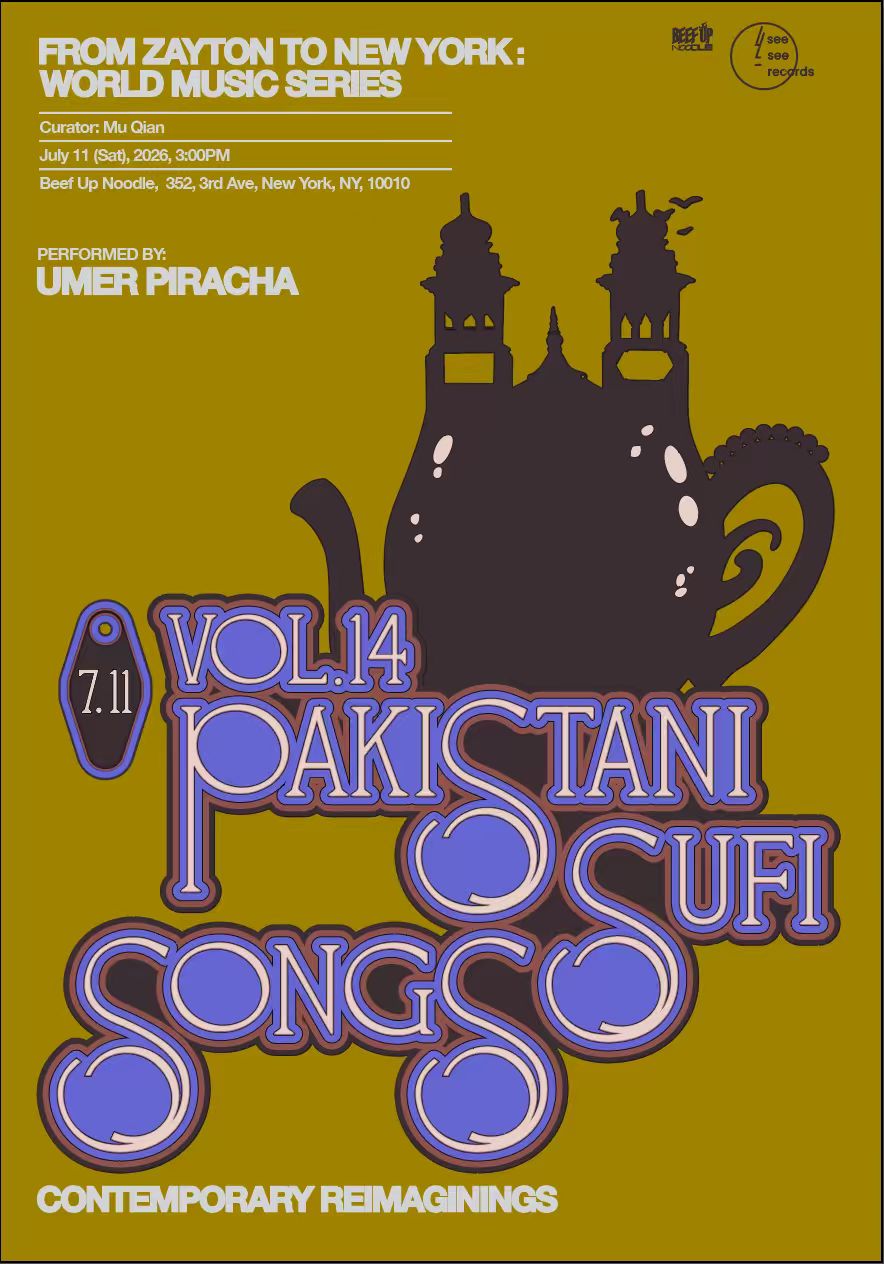
From Zayton to New York · Vol. 14
Pakistani Sufi Songs: Contemporary Reimaginings
- Date
- Saturday, July 11, 2026
- Time
- 3:00 PM
- Venue
- Beef Up Noodle
352 3rd Ave, New York, NY 10010 - With
- Umer Piracha
- Presented by
- See See Records
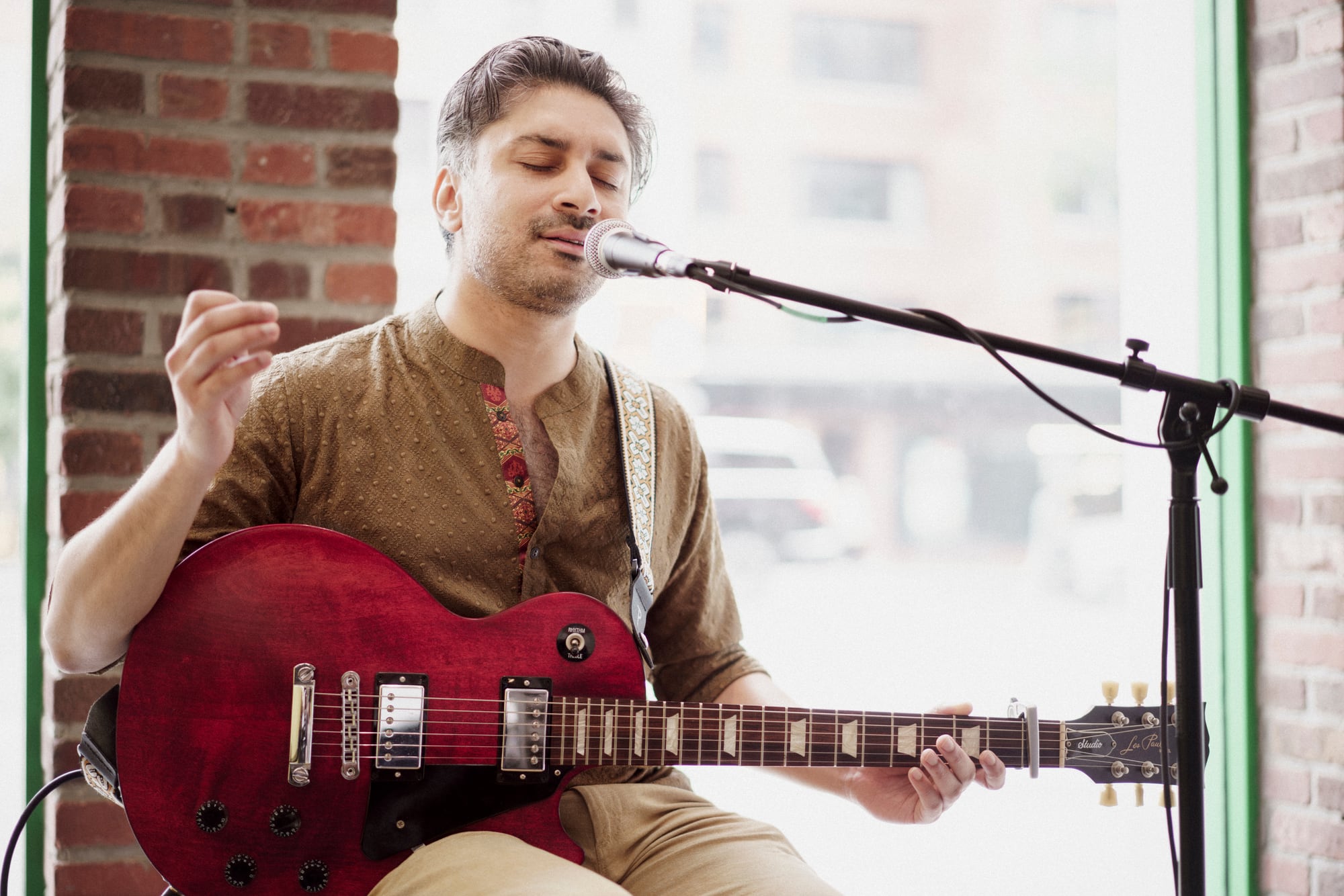
Qawwali and khayal from a 700-year lineage, reimagined by Multan-born, New York-based vocalist Umer Piracha.
Qawwali
Qawwali is the Sufi devotional music of South Asia. The word derives from the Arabic qaul (“utterance,” especially a saying of the Prophet). According to legend, the form was created by the 13th-century Delhi poet-musician Amir Khusrau, making the art over seven centuries old, roughly the same age as the 700-year Khayal/Qawwali lineage in which tonight’s artist, Umer Piracha, apprentices.
In the Sufi tradition, qawwali is not first a performance but a practice of listening: a formal gathering is called a Mehfil-e-Sama, and sama in Arabic means precisely that, “listening.” For centuries, people have gathered at Sufi shrines and lodges to approach the divine through shared, attentive listening; the themes span praise of God, praise of the Prophet, veneration of Sufi saints, and mystical love voiced through worldly metaphors of wine, intoxication, and the beloved. Umer’s hometown of Multan, the “City of Saints”, is among South Asia’s oldest Sufi centers.
Qawwali began with voices and hand-claps alone; instruments came later, yielding today’s typical ensemble of one or two lead singers, a clapping chorus, harmonium, and dholak or tabla. A full qawwali often runs 15–30 minutes or longer, building through call-and-response until singer and listeners are drawn together into a self-forgetting state. In 1975 the Sabri Brothers introduced qawwali to Western audiences at New York’s Carnegie Hall. To this day, the art is transmitted chiefly within families and from master to apprentice.
Khayal
Khayal is the predominant vocal genre of Hindustani (North Indian) classical music. The word comes from Persian/Arabic and means “imagination” or “thought”: within the frameworks of raga (melodic mode) and tala (rhythmic cycle), the singer holds vast improvisational freedom. Every khayal performance is, in this sense, an unrepeatable meditation in the present moment.
Khayal reached its mature form in the 18th-century Delhi court of the Mughal emperor Muhammad Shah, where the court musician Sadarang and his nephew Adarang composed hundreds of foundational bandishes (fixed compositions) still sung today. Notably, Sadarang came from Delhi’s hereditary qawwal families, lineages that for centuries served as custodians of both qawwali and khayal. The dual lineage in which Umer trains continues this very history: the ecstasy of the shrine and the contemplation of the court were never two separate things, but two faces of the same act of listening.
A typical performance unfolds in two parts: the slow bada khayal, in which the singer unhurriedly develops the raga, a near-meditative unfolding in which feeling often reaches the listener before meaning does, followed by the fast chota khayal, driving to a climax through rapid melodic runs (taans). Accompaniment comes from tabla, the drone of the tanpura, and a sarangi or harmonium. Today khayal has moved from courts to concert halls worldwide, and it remains the mainstream of Hindustani vocal music.
Artist
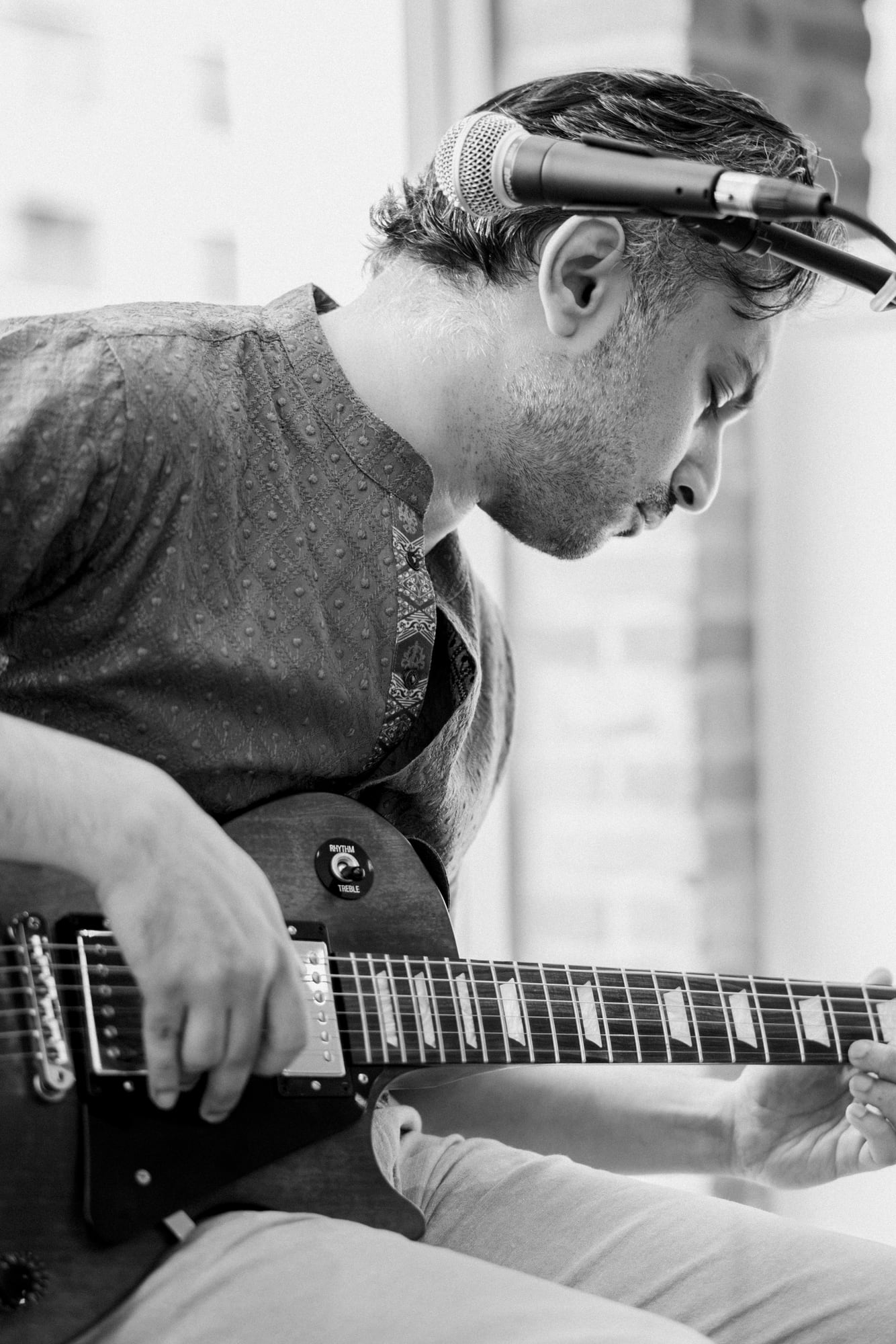
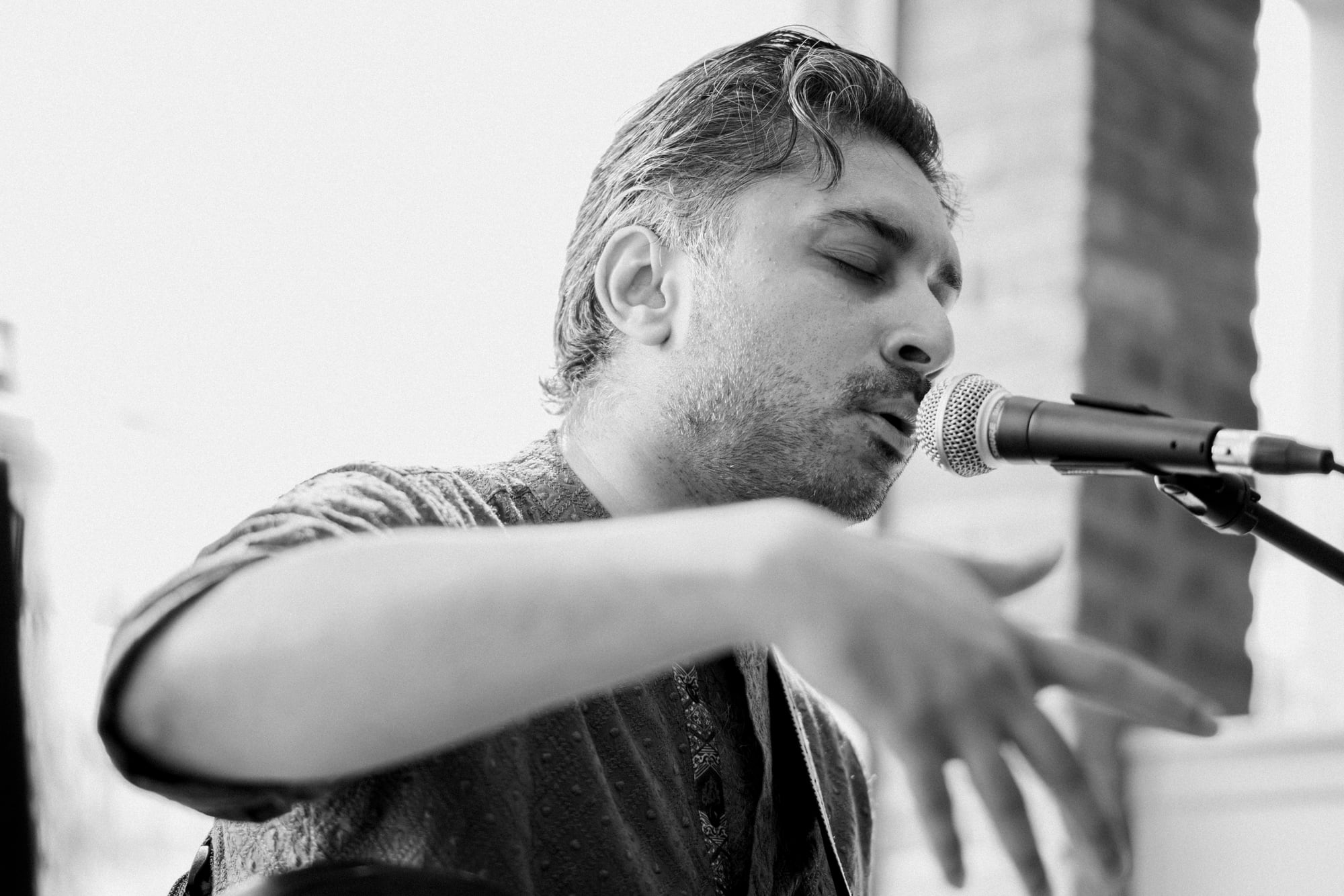
Raised in the ancient Sufi city of Multan, Pakistan, Umer Piracha is a New York-based vocalist and sound artist apprenticing in a 700-year Khayal/Qawwali lineage as a student of the Saami Brothers. His performances draw from Sufi devotional practice, improvisation, and contemplative listening to create immersive spaces where feeling can emerge before meaning.
Umer has performed at Carnegie Hall, Lincoln Center, Grace Cathedral, Union Theological Seminary, and Harvard Divinity School. Whether performing solo or with his ensemble Falsa, he approaches music not simply as performance, but as a practice of attention, inviting audiences into stillness, presence, and shared listening across traditions.
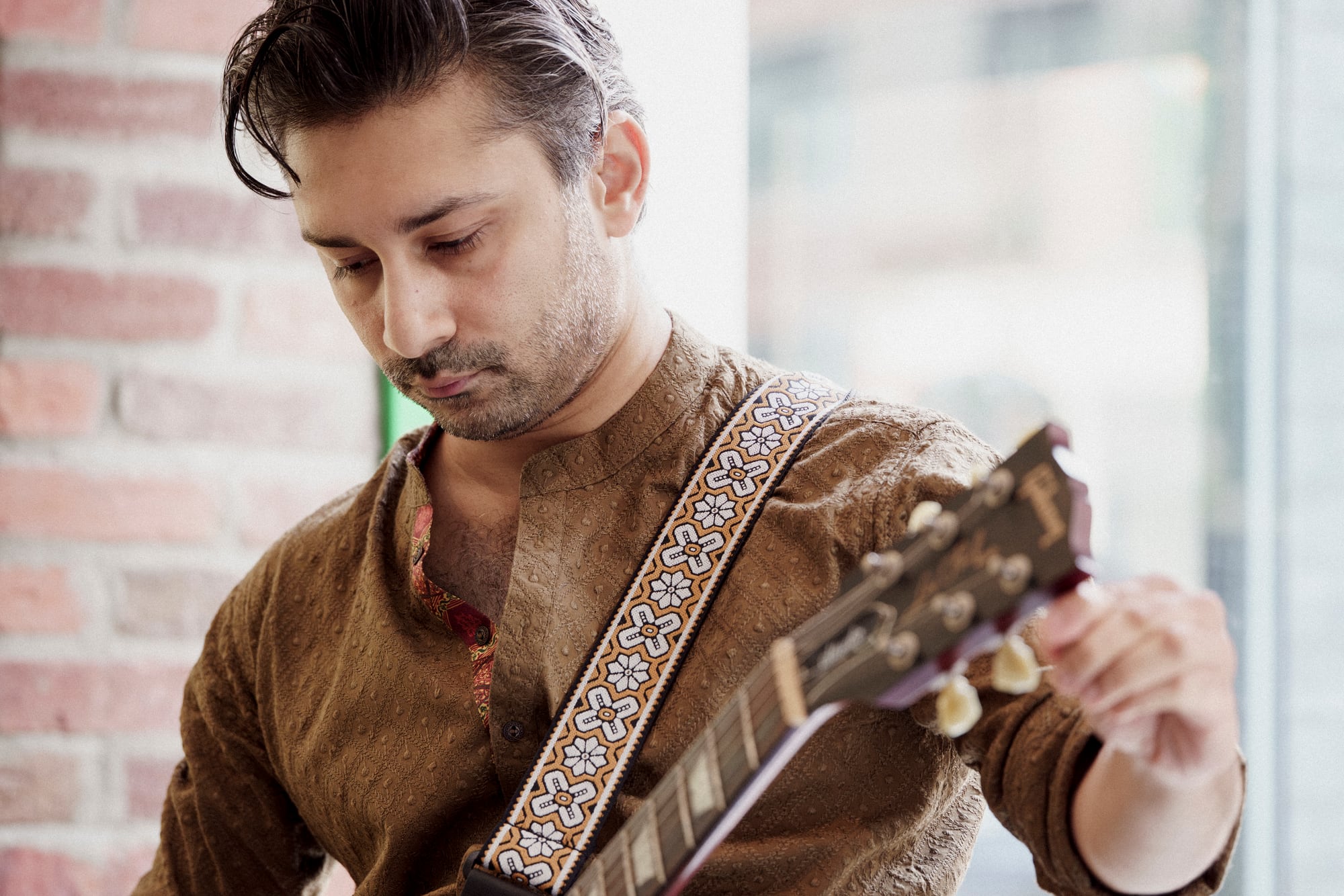
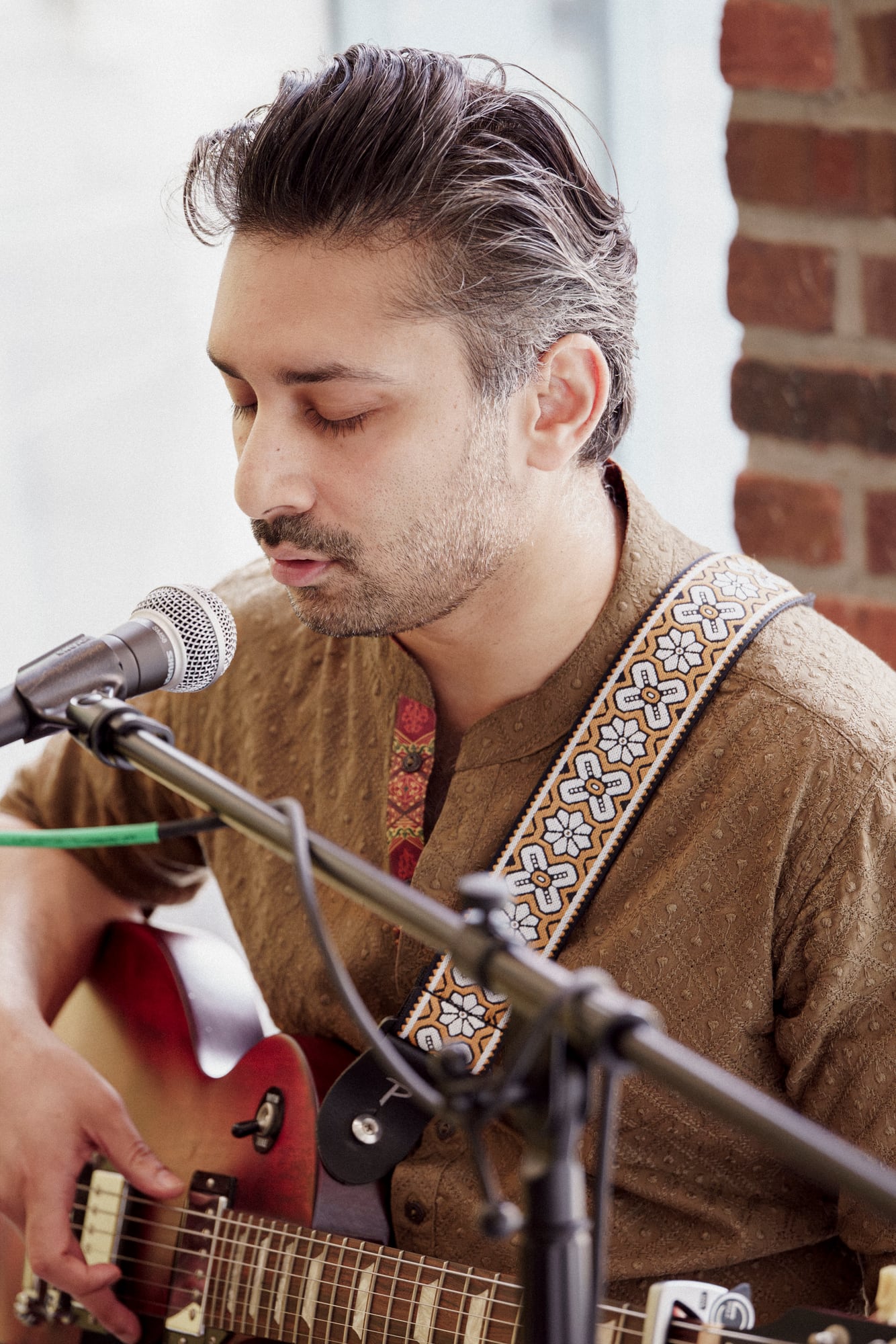
Photographs
Credits
- Curator
- Mu Qian @mu.qian.1
- Producer
- Shi Qianyi eveshi@seeandsea.org
- Poster design
- Haolun Liu @lhl_bicycle
- Sound engineer
- Kaiwei Yip @yippeekaiwei
- Photography
- Tao Ho @toseiho
With thanks to
- Barbash Family Fund
- New York Chinese Opera Society Inc
- Neurocrine Biosciences, Inc.
Presented by See See Records, the record label of See & Sea Culture Foundation, a 501(c)(3) non-profit organization.