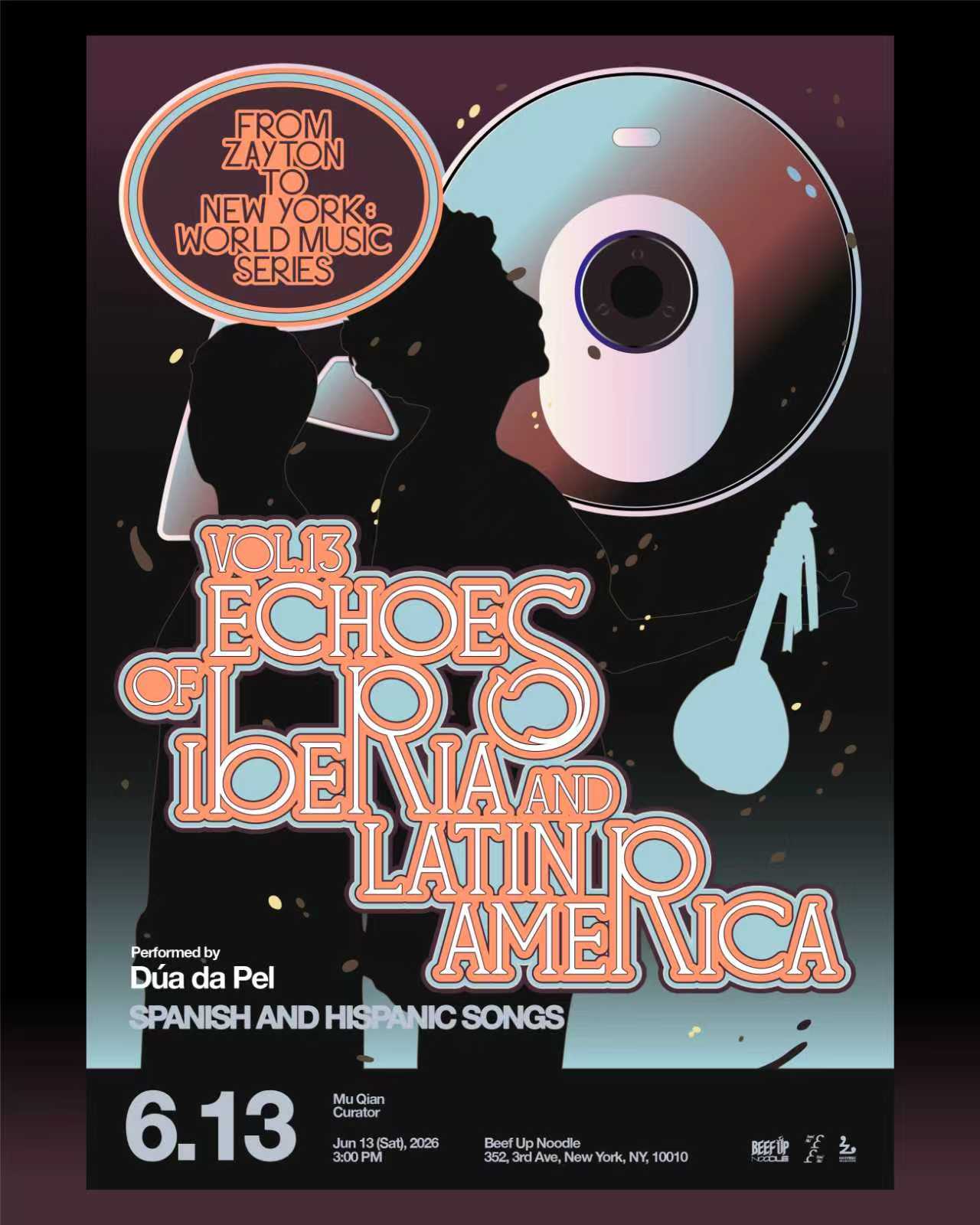
From Zayton to New York · Vol. 13
Echoes of Iberia and Latin America: Spanish and Hispanic Songs
- Date
- Saturday, June 13, 2026
- Time
- 3:00 PM
- Venue
- Beef Up Noodle
352 3rd Ave, New York, NY 10010 - With
- Dúa da Pel
- Presented by
- See See Records
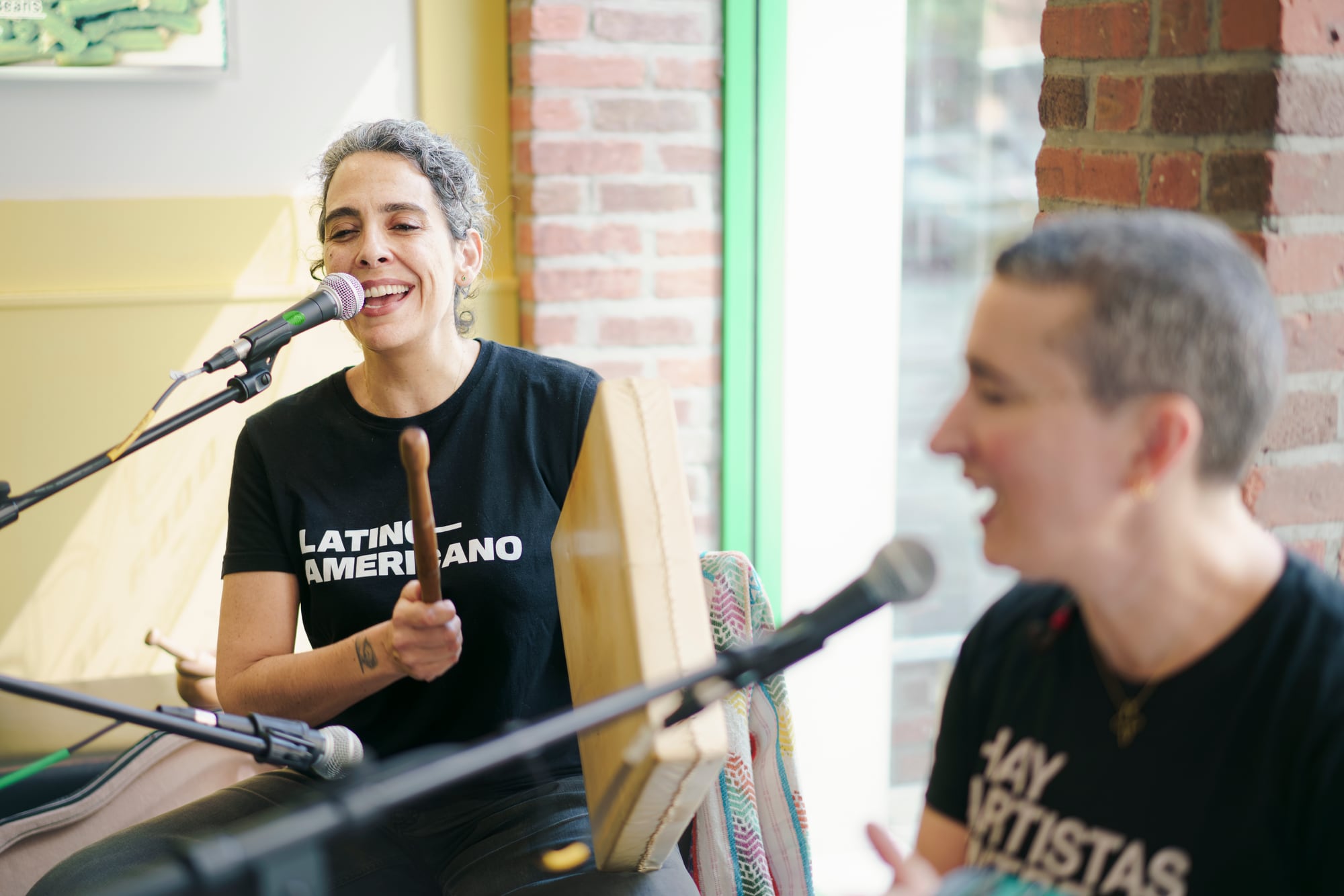
Fandangos, jotas, zamba, chacarera and carnavalito in two-voice arrangements by Sonia Megías and Eva Guillamón of Dúa da Pel.
Cultural context
The Spanish language is spoken across a vast geographic region encompassing Europe, Latin America, and Hispanic communities around the world. Over centuries, songs, dances, and musical practices have traveled across these regions through migration, trade, colonial expansion, and cultural exchange. The result is a rich and diverse musical world in which shared linguistic and cultural connections coexist with striking local and regional traditions.
Traditional Hispanic music encompasses an extraordinary variety of styles, reflecting the distinct histories, landscapes, and communities that have shaped them. From village celebrations and dance gatherings to family occasions and public festivals, these musical traditions have long served as vehicles for storytelling, collective memory, and social connection. Although separated by oceans and national borders, they continue to reveal enduring links between Spain and Latin America.
Musical traditions
This program highlights a range of traditional genres from across the Spanish-speaking world, illustrating both the diversity of Hispanic folklore and the cultural connections that unite it.
From Spain, audiences hear fandangos, chotis, and jotas, genres associated with regional dance and song traditions that have long played important roles in communal celebrations and popular culture. The program then travels to Argentina through the zamba, chamamé, and chacarera, each reflecting distinct regional histories and musical identities. Musical traditions of the Andes are represented through the carnavalito, heard in Bolivia, Peru, and Ecuador, while the inclusion of calypso points to connections between the Hispanic world and the broader Caribbean.
Rather than presenting these traditions in a strictly historical manner, Dúa da Pel filters them through its own artistic language, creating surprising two-voice arrangements and employing unexpected harmonies and meters that reveal new dimensions within familiar forms.
Together, these musical traditions demonstrate how songs can travel across continents while remaining deeply connected to the communities that sustain them.
Instruments and performance practice
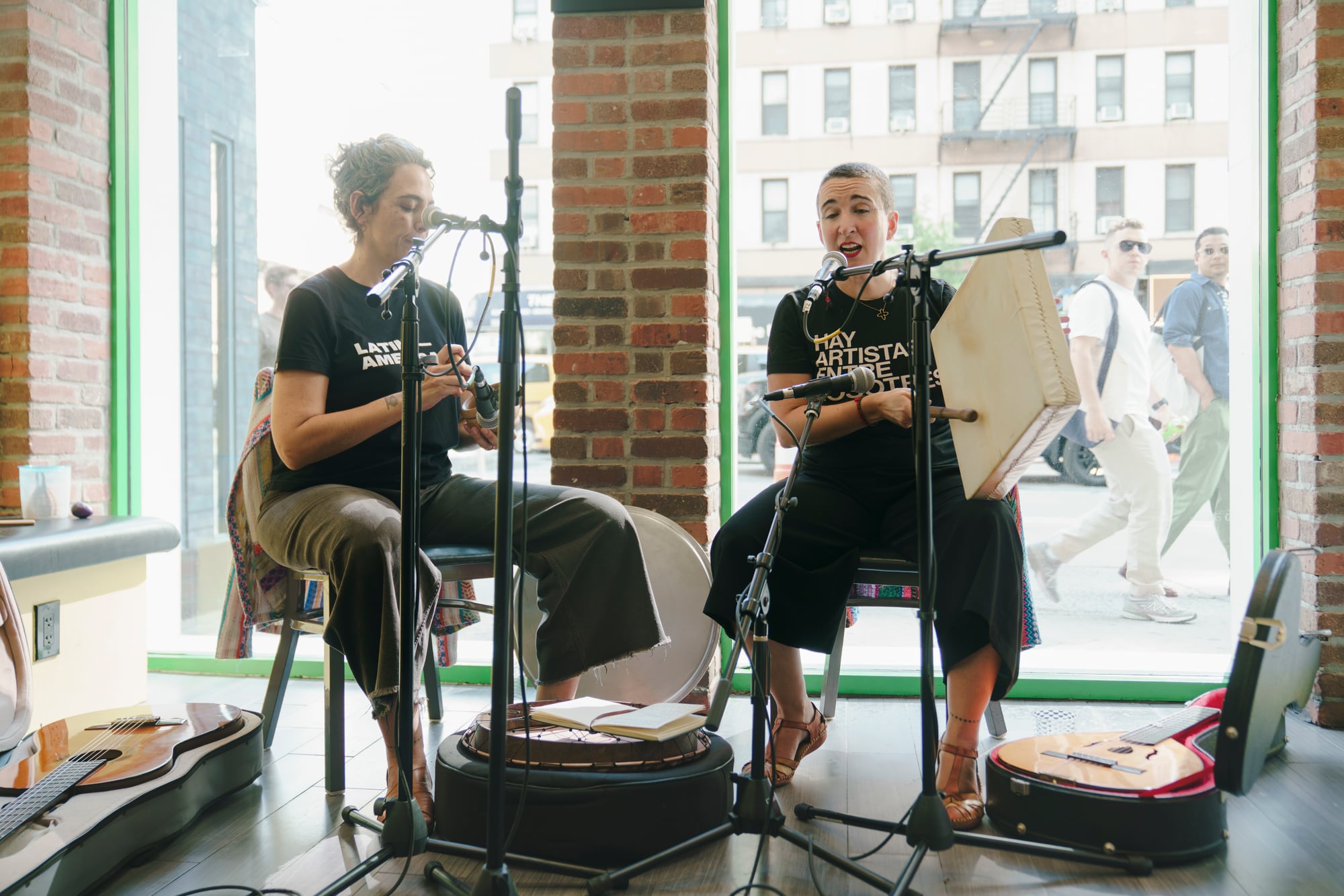
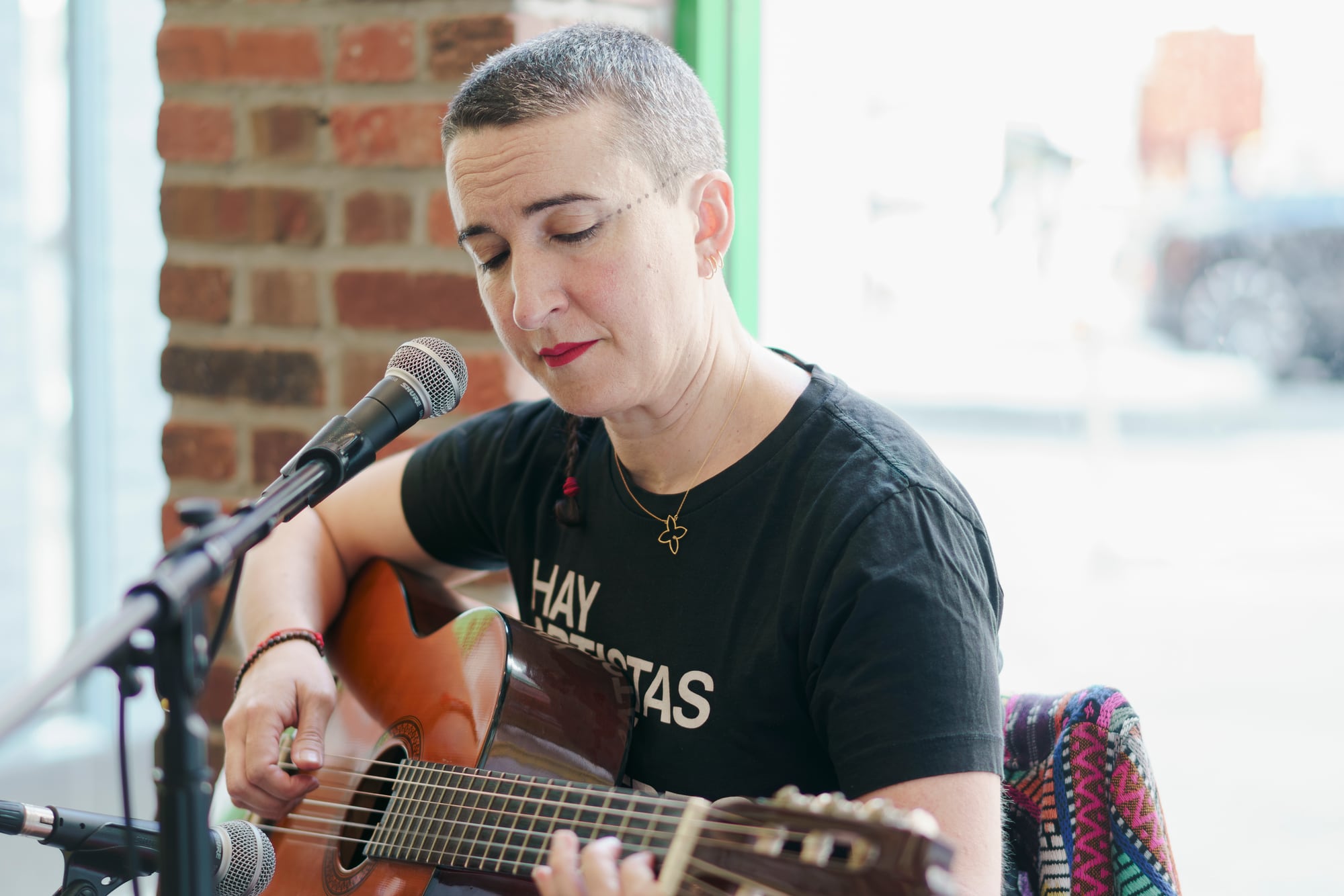
Dúa da Pel’s performances feature a wide range of instruments, including the laúd (Spanish lute), guitar, square tambourine of Peñaparda in western Spain, shamanic tambourines, mortar percussion, fans, body percussion, and numerous small instruments drawn from different folk traditions.
The ensemble’s approach reflects a fundamental characteristic of folklore: music emerges not only from formal instruments and concert settings, but also from everyday objects, communal participation, and shared cultural experience. Through inventive instrumentation and vocal performance, Dúa da Pel reveals the extraordinary musical possibilities embedded within ordinary life.
Featured artists
Founded in 2014 by composer Sonia Megías and poet Eva Guillamón, Dúa da Pel occupies a unique space between folklore, contemporary composition, poetry, and performance. Their work seeks not simply to reproduce traditional music, but to engage creatively with inherited materials, creating new meanings through arrangement, interpretation, and performance.
Sonia Megías is a Spanish composer, vocalist, educator, and multidisciplinary artist whose work spans contemporary composition, performance, ritual, and experimental artistic practice. Her creative work frequently engages questions of memory, identity, and cultural transmission through sound.
Eva Guillamón is a Spanish poet, playwright, performer, and cultural creator. Her literary work forms the textual and poetic foundation of Dúa da Pel’s performances, bringing together language, storytelling, and musical expression.
Photographs
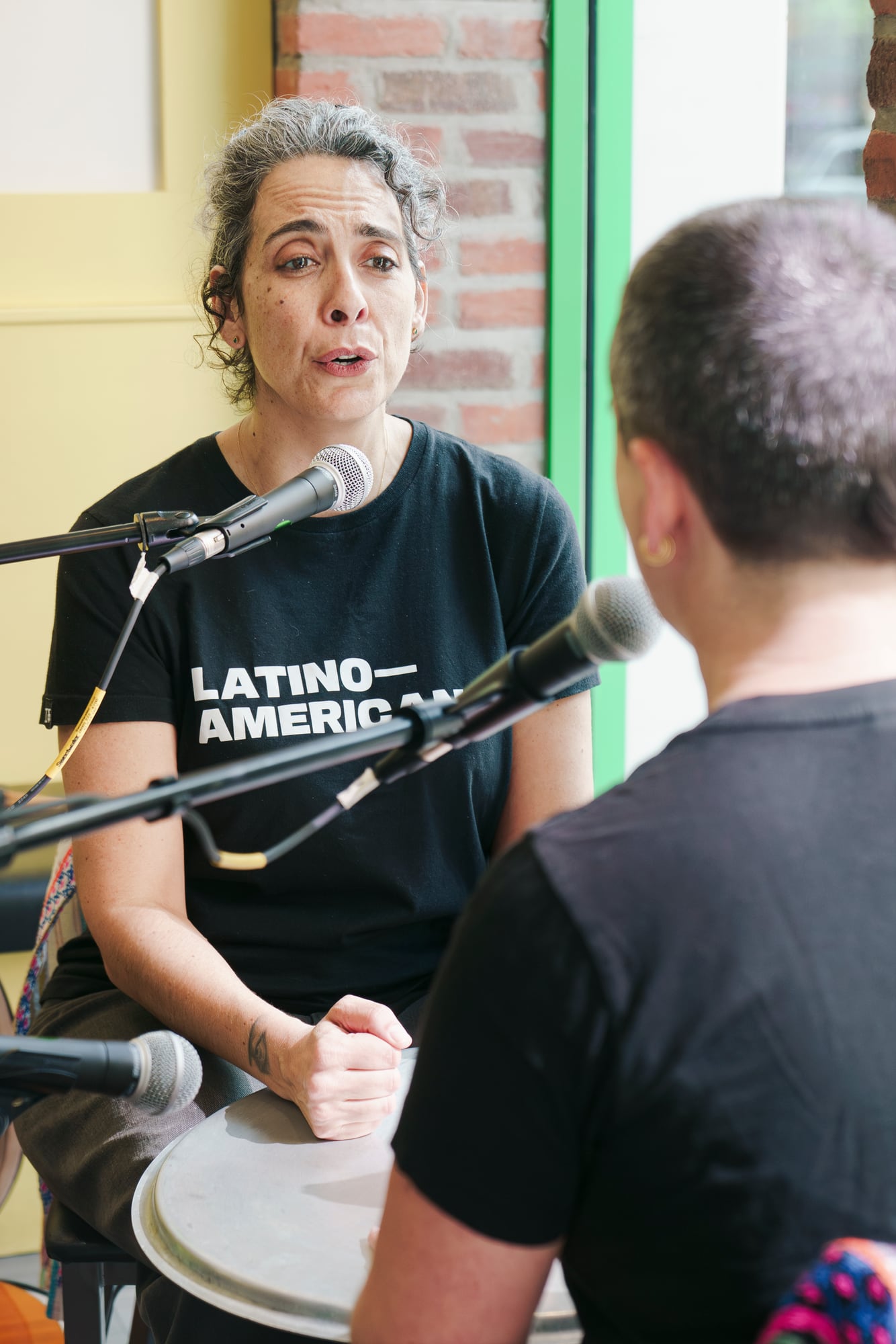
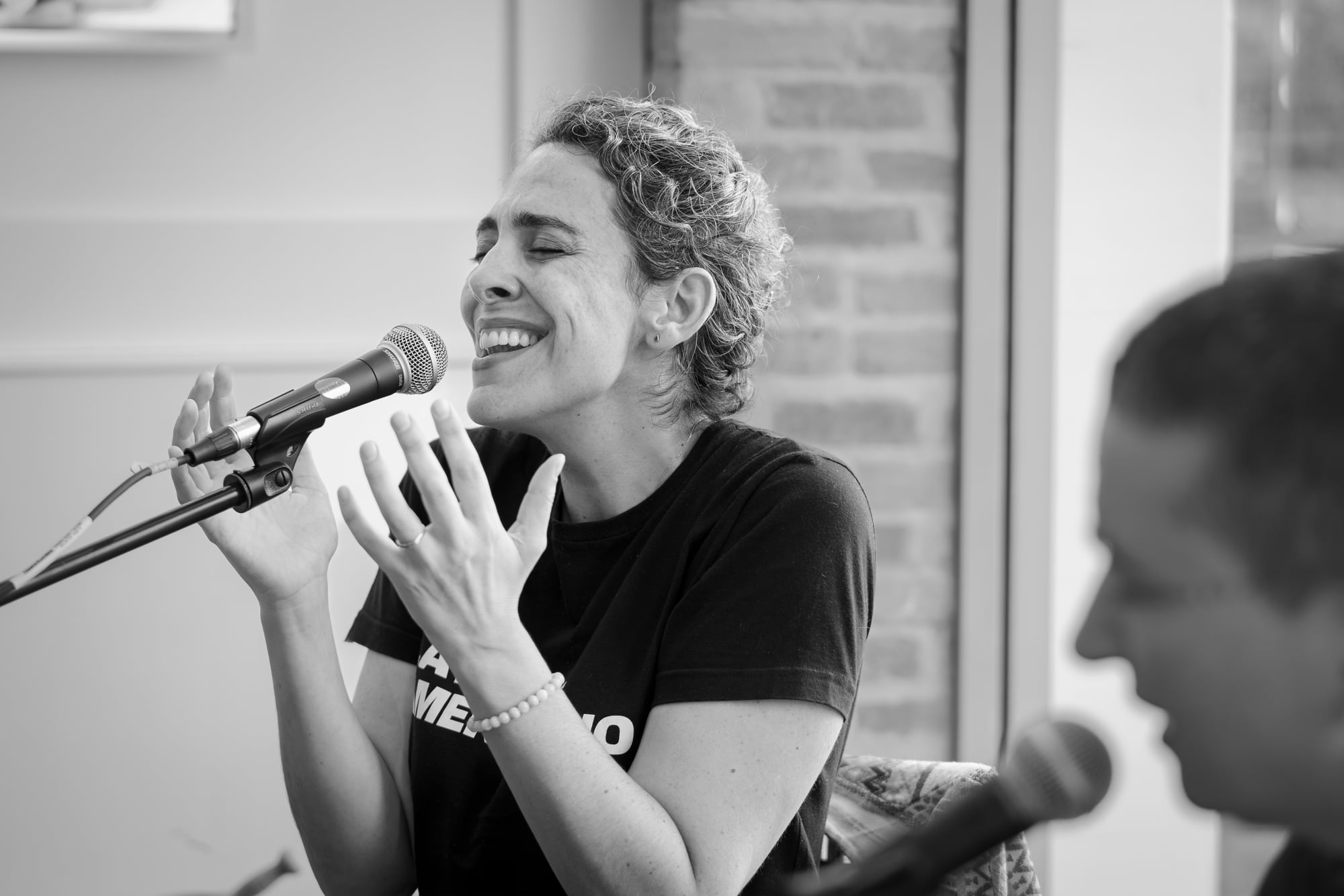
Credits
- Curator
- Mu Qian @mu.qian.1
- Producer
- Shi Qianyi eveshi@seeandsea.org
- Poster design
- Haolun Liu @lhl_bicycle
- Sound engineer
- Kaiwei Yip @yippeekaiwei
- Photography
- Tao Ho @toseiho
With thanks to
- Barbash Family Fund
- New York Chinese Opera Society Inc
- Neurocrine Biosciences, Inc.
Presented by See See Records, the record label of See & Sea Culture Foundation, a 501(c)(3) non-profit organization.