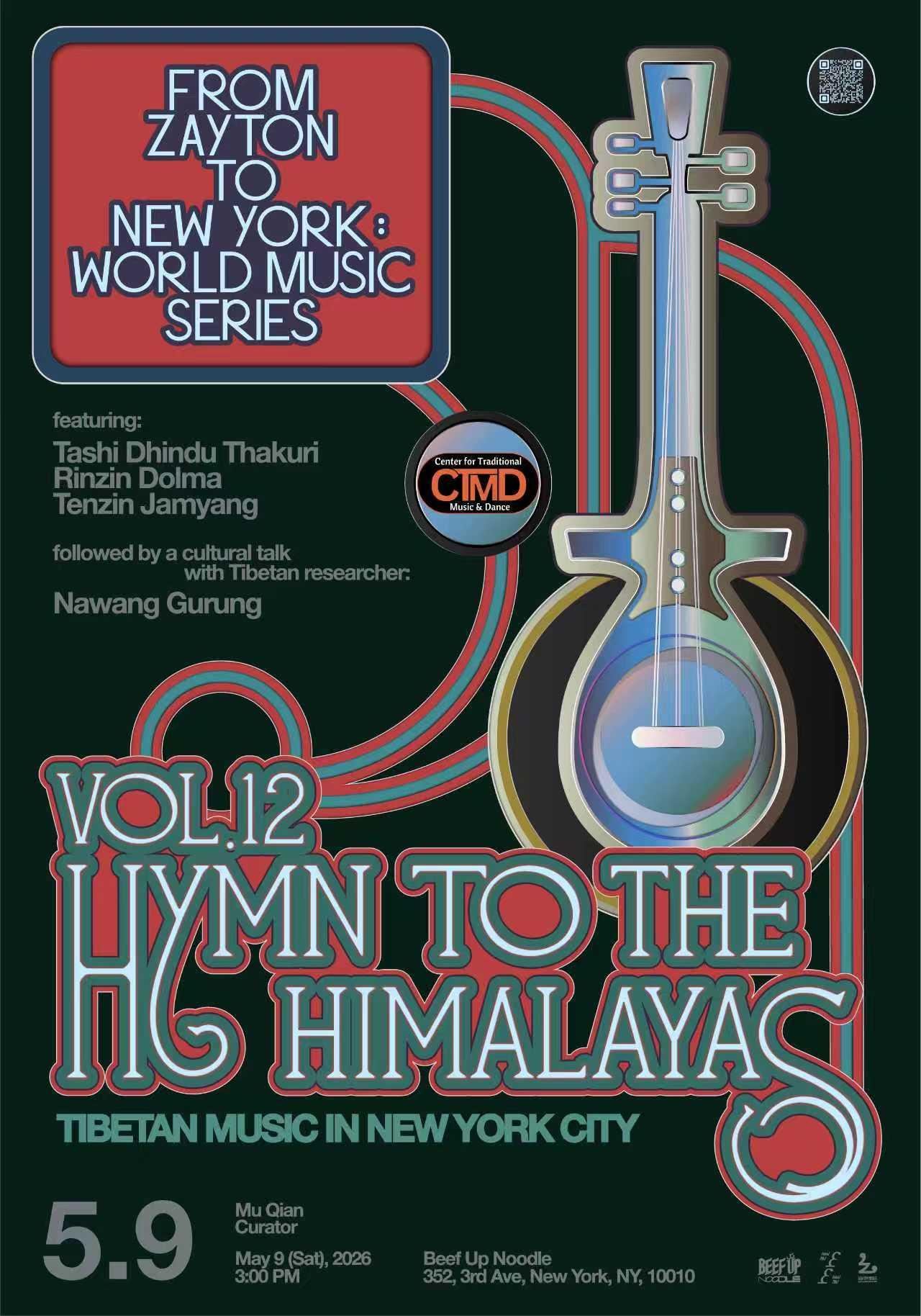
From Zayton to New York · Vol. 12
Hymn to the Himalayas: Tibetan Music in New York City
- Date
- Saturday, May 9, 2026
- Time
- 3:00 PM
- Venue
- Beef Up Noodle
352 3rd Ave, New York, NY 10010 - With
- Tashi Dhindu Thakuri, Rinzin Dolma, Tenzin Jamyang, Nawang Gurung
- Presented by
- See See Records & Center for Traditional Music and Dance
Co-presented with
We are proud to partner with the Center for Traditional Music and Dance to co-present From Zayton to New York concert series featuring New York-based immigrant artists.
To learn more about the Center for Traditional Music and Dance visit: www.ctmd.org.
CTMD's funders
This program is presented with the support of the Laurie M. Tisch Illumination Fund, the Howard Gilman Foundation, and the Samuels Foundation.
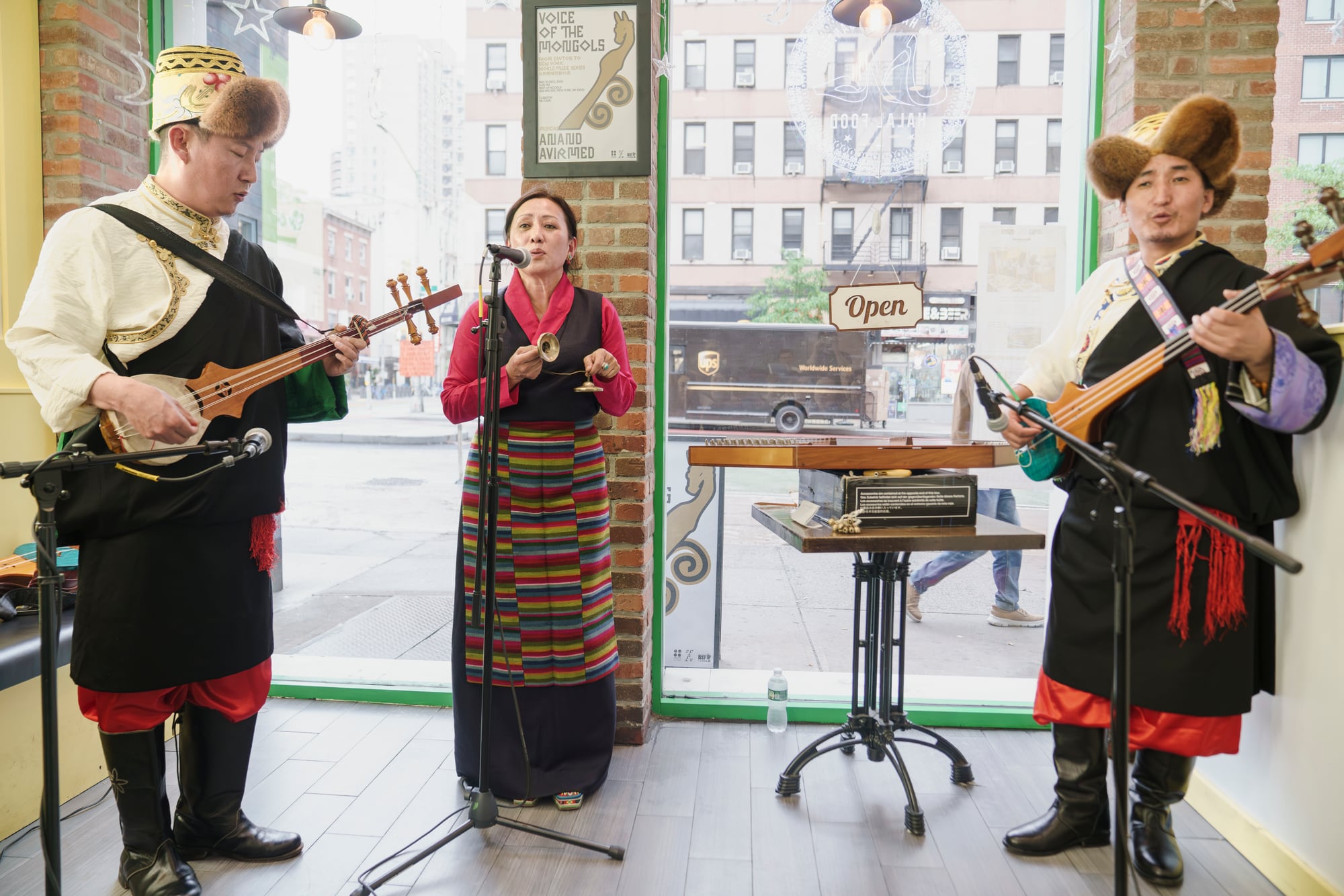
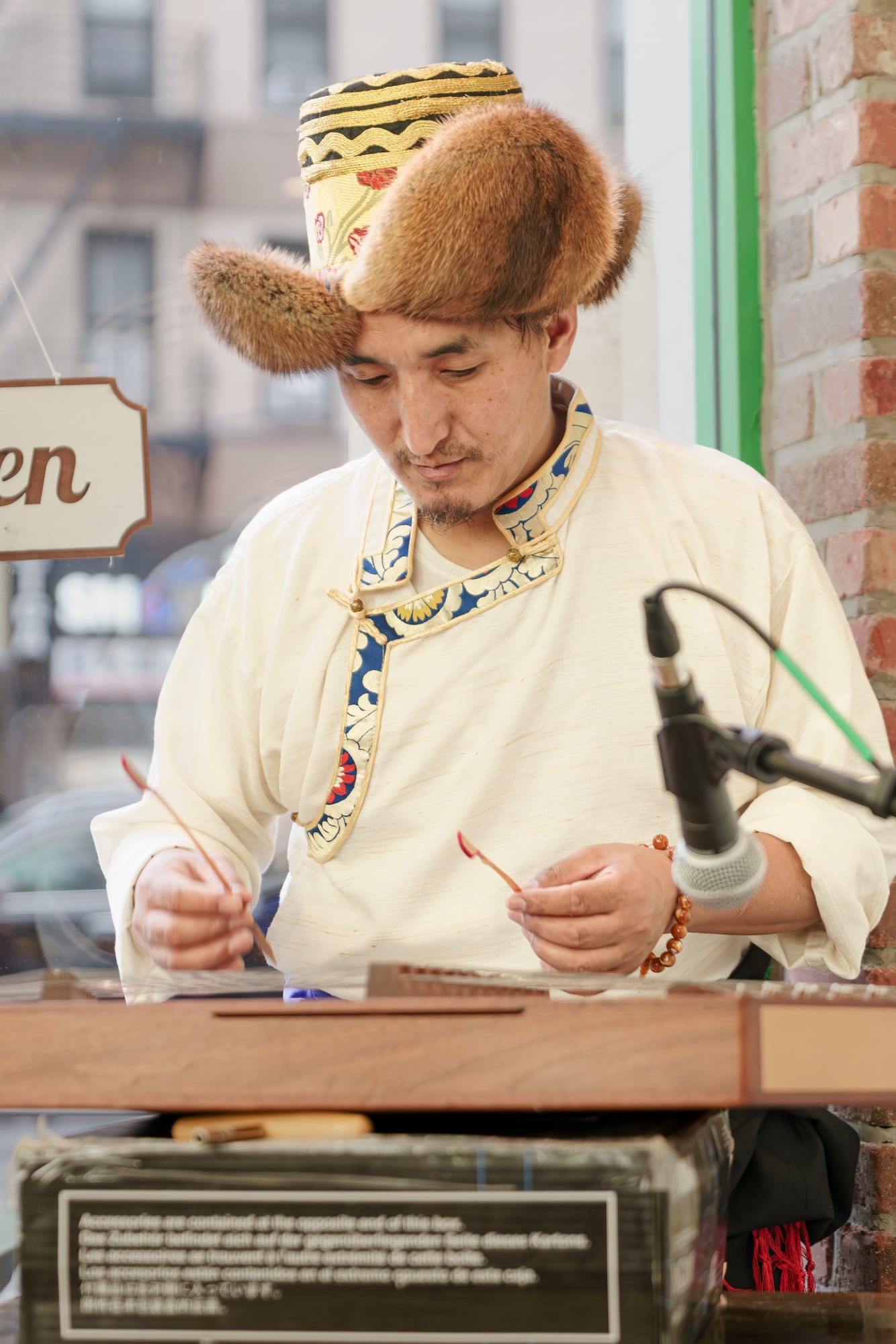
Vocal music, dranyen and dance from New York’s Tibetan community, the largest Tibetan diaspora in North America.
Cultural context
Tibetan musical culture emerges from one of Asia’s most historically layered civilizational spheres, shaped by the religious, linguistic, and artistic traditions of the Tibetan Plateau and the broader Himalayan region. Today, New York City, particularly Queens, is home to the largest Tibetan diaspora community in North America, where music remains central to preserving identity, language, spirituality, and collective memory across generations.
Tibetan performance traditions encompass an extraordinary range of genres, including nangma court songs, toeshey dance music, folk repertoires from Ü-Tsang, Amdo, and Kham, devotional music rooted in Buddhist practice, and the operatic traditions of Ache Lhamo. In diaspora, these forms function not merely as artistic heritage, but as living practices through which displaced communities sustain continuity while adapting to new social worlds.
As with earlier volumes of From Zayton to New York, this program foregrounds music as a medium of migration, lineage, and cultural survival to explore how Tibetan New Yorkers preserve and transform Himalayan soundscapes within one of the world’s most diverse urban environments.
Program overview
This concert presents the living musical traditions of Tibet through vocal music, instrumental performance, and dance. Bringing together leading artists, teachers, and cultural bearers from New York’s Tibetan community, the program reflects both preservation and reinvention: the continuation of traditional repertoire alongside the realities of diasporic adaptation.
Music in Tibetan society has historically accompanied religious ritual, communal celebration, oral transmission, and courtly refinement. In exile and migration, it continues to function as a crucial vehicle for maintaining cultural cohesion, teaching younger generations, and articulating belonging beyond territorial borders.
Musical traditions
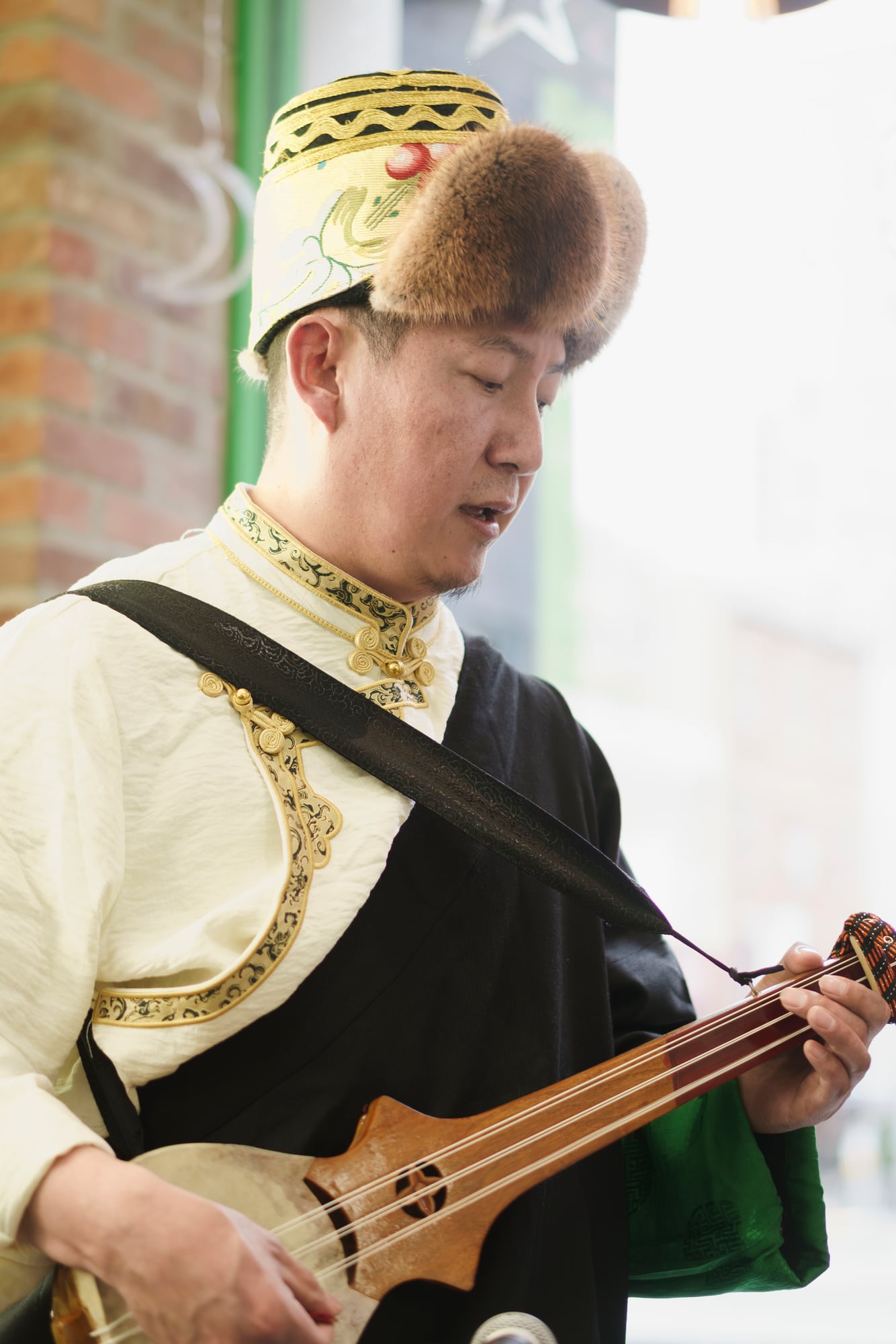
Central to the program is the dranyen, the Tibetan six-stringed lute whose portability and expressive flexibility have long made it a primary instrument for secular song, dance accompaniment, and community gatherings. Alongside vocal traditions, Tibetan music frequently emphasizes ornamented melodic lines, high-register projection, and close relationships between poetry, movement, and spirituality.
Featured repertoire includes Tibetan folk songs from diverse regional traditions, nangma and toeshey dance songs, traditional dranyen performance, Tibetan opera-derived vocal styles, and diasporic reinterpretations of community repertoire. Together, these forms reveal how Tibetan music operates as both historical archive and evolving diasporic expression.
Featured artists
Tashi Dhindu Thakuri, musical director for this concert, was previously a performer for the Gangjong Doegar performing arts group in Kalimpong, India. He is dedicated and passionate about Tibetan cultural preservation, with the youth in particular. He teaches dranyen (Tibetan lute) classes at the Himalayan Language and Culture Program, where his classes serve as a rare platform for second-generation Himalayan-American children to gain exposure to Tibetan traditional arts.
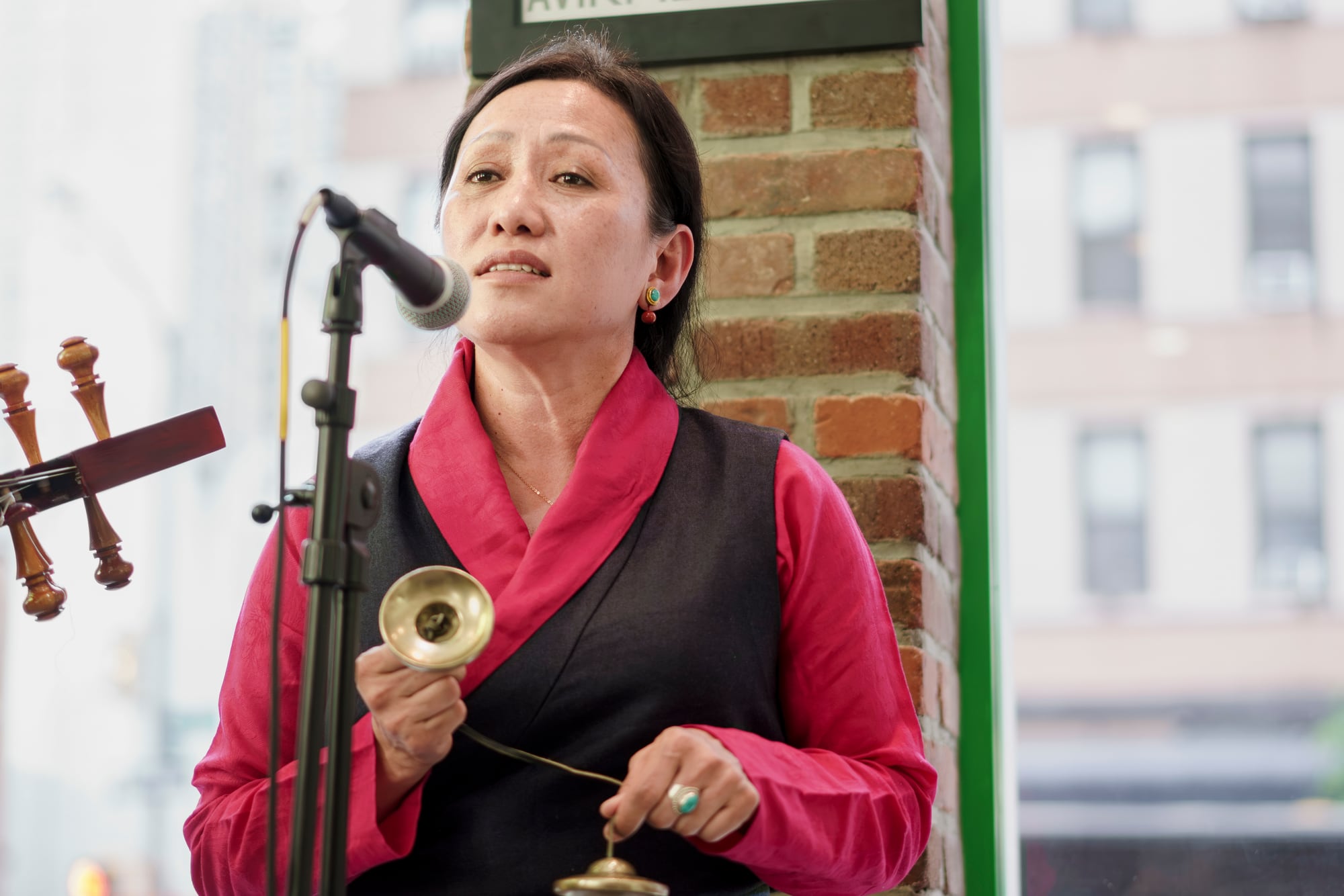
Rinzin Dolma graduated from the Tibetan Institute of Performing Arts (TIPA). She has performed in numerous Tibetan cultural events throughout the United States and previously served as a dance and song teacher at the Boston Tibetan Association. After moving to New York, she continued teaching Tibetan dance and music to children at the Tibetan New York Service Center. In 2025, she was elected to the Board of the Tibetan Community of NY & NJ and currently serves as the Tibetan Culture Coordinator.
Tenzin Jamyang is a graduate of the Tibetan Institute of Performing Arts (TIPA), where he trained from 2004 to 2016. Specializing in acting, he became a senior artist and actively participated in numerous competitions and performances. He performed widely across India at major Tibetan events such as Shotön, Kagyu Monlam, and Trungkar. His work took him to cities including Delhi, Sikkim, and Shimla, as well as internationally to Russia and South Korea, where he represented and promoted Tibetan performing arts.
Nawang Gurung is a consultant, translator, speaker, researcher, and tour specialist originally from the Himalayan region of Mustang in Nepal and now based in New York City. He is founder and coordinator of the oral history project Voices of the Himalayas: Language, Culture and Belonging in Immigrant New York, which has been documenting the languages, cultures, social histories, folklore and community life of Himalayan New Yorkers. He is also founder and director of the Himalayan Language and Culture Program, which provides free cultural education for Himalayan youth in Queens.
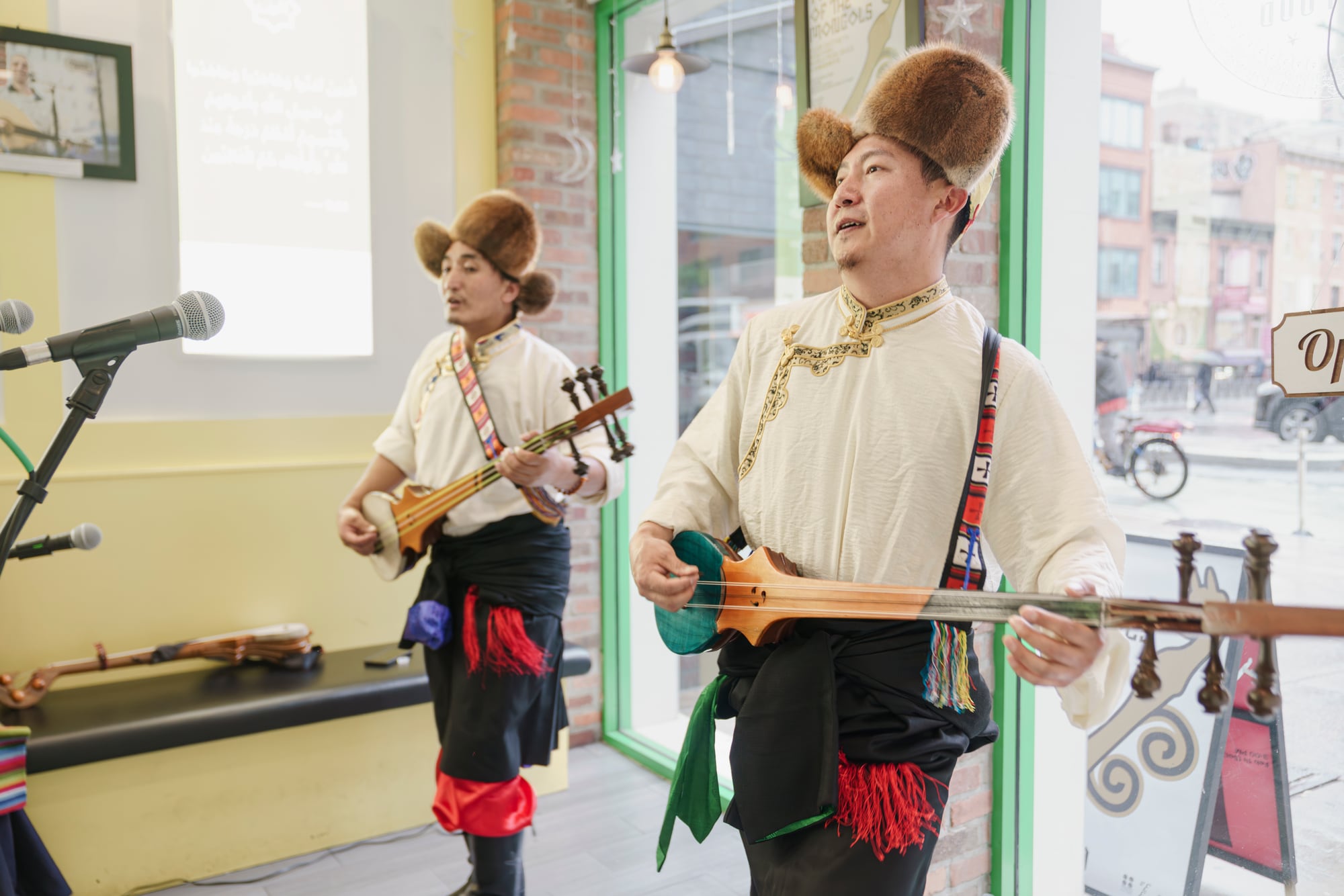
Photographs
Credits
- Curator
- Mu Qian @mu.qian.1
- Producer
- Shi Qianyi eveshi@seeandsea.org
- Poster design
- Haolun Liu @lhl_bicycle
- Sound engineer
- Kaiwei Yip @yippeekaiwei
- Photography
- Tao Ho @toseiho
With thanks to
- Barbash Family Fund
- New York Chinese Opera Society Inc
- Neurocrine Biosciences, Inc.
Presented by See See Records, the record label of See & Sea Culture Foundation, a 501(c)(3) non-profit organization.